

Why Spiti?
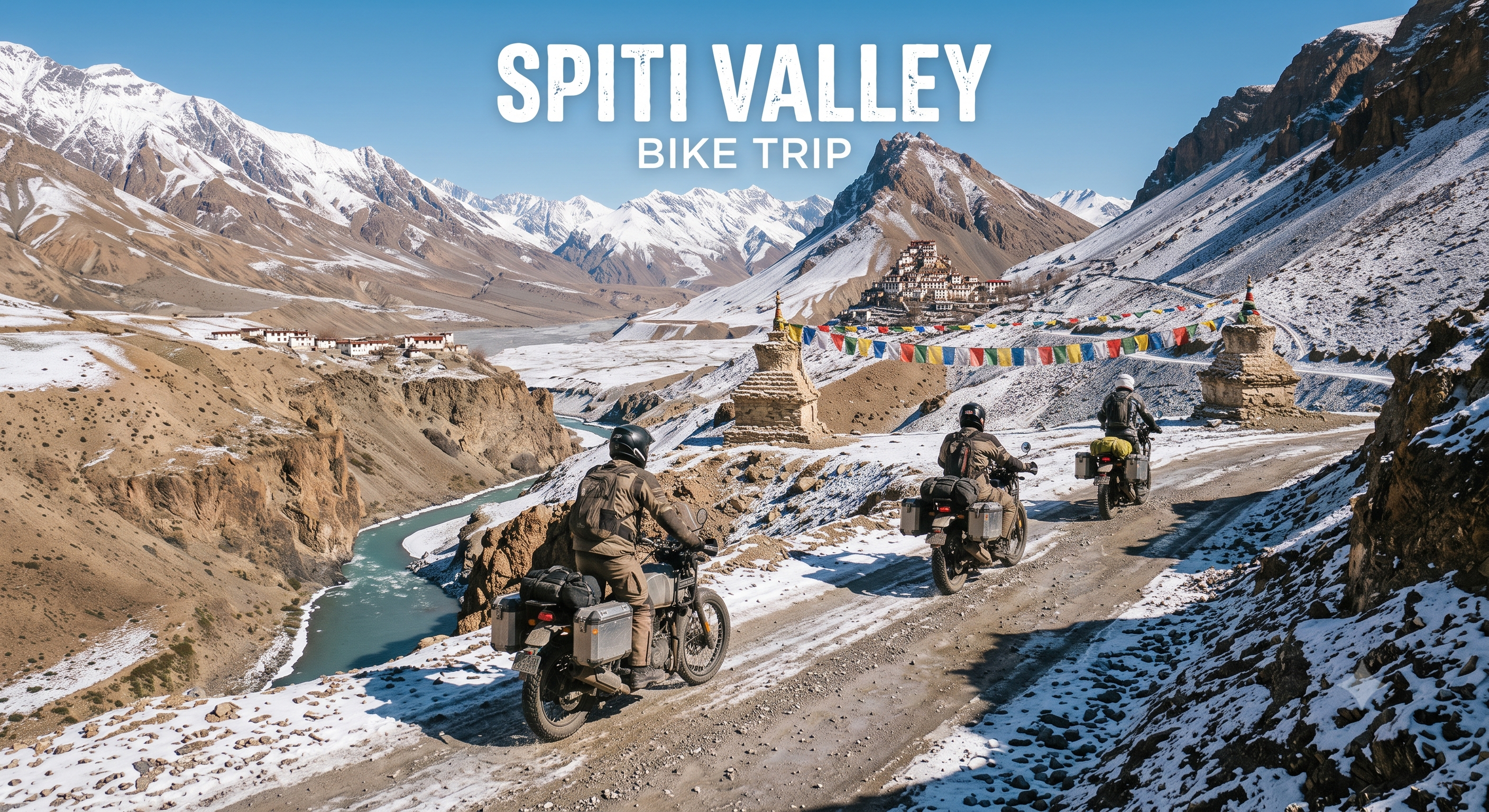
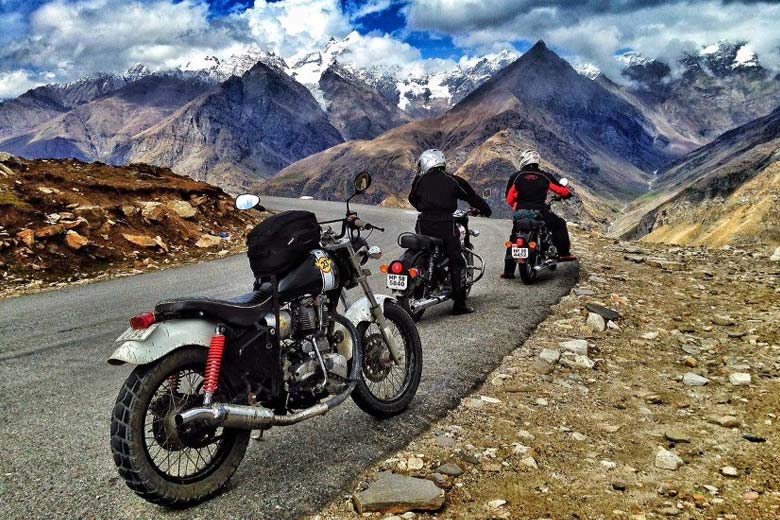
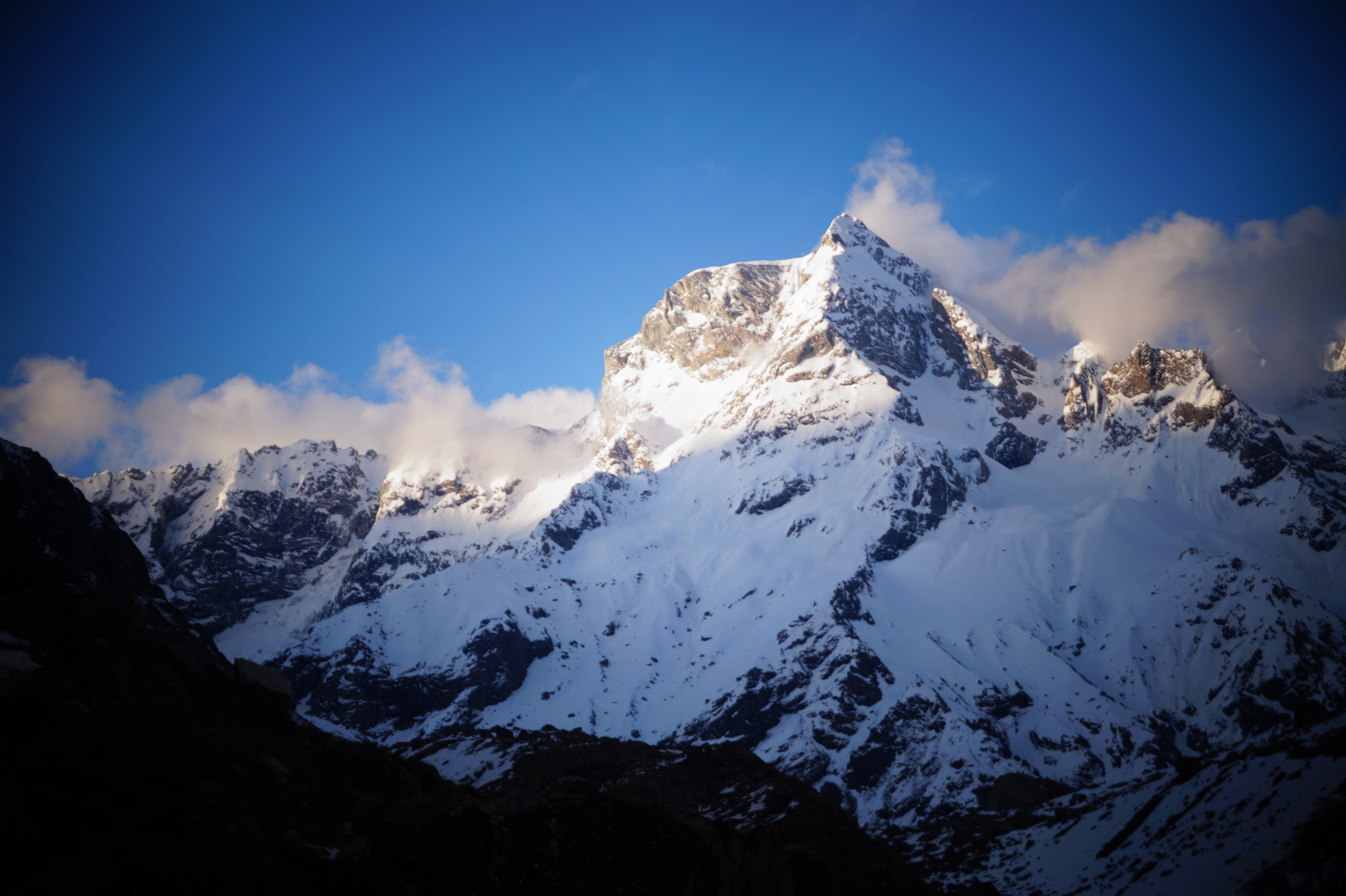
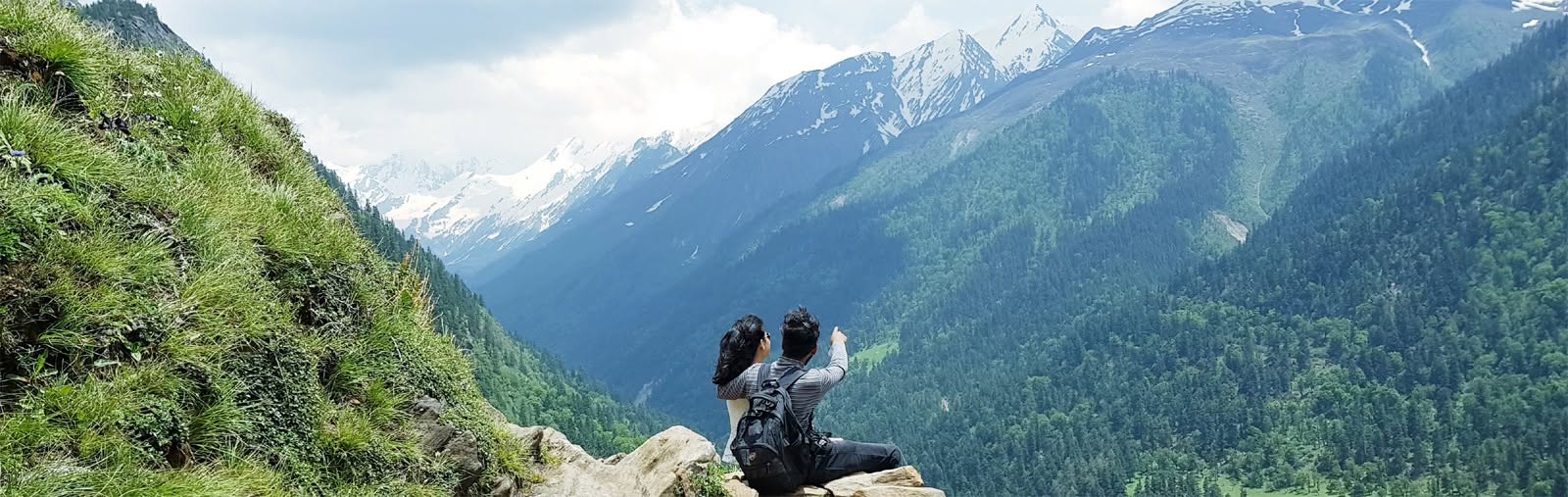
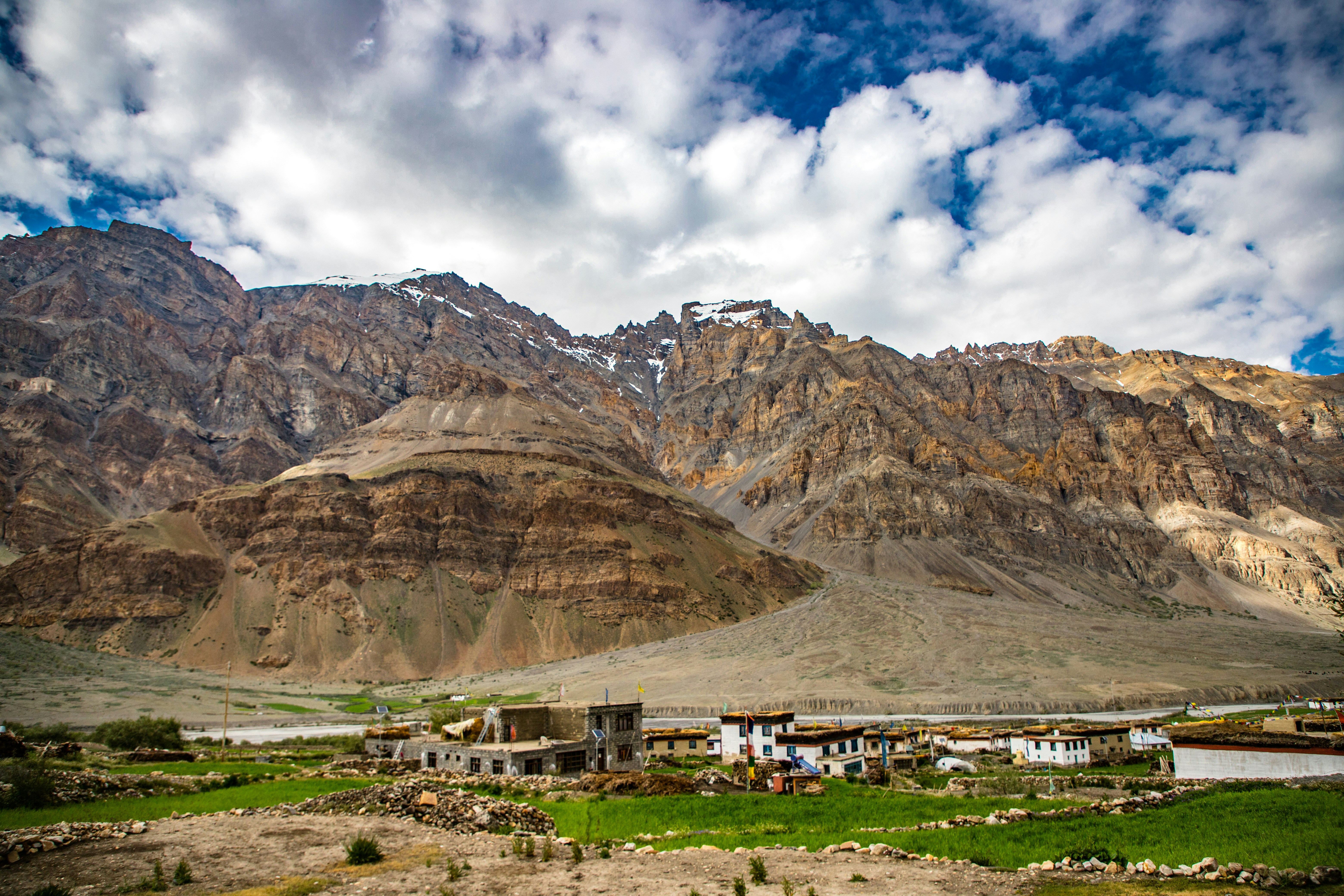
A winter journey to Spiti Valley, the famous Cold Desert of the Himalayas, is a magical experience where snow-covered landscapes stretch as far as the eye can see. This Winter Spiti Expedition is perfect for adventure seekers looking to explore the valley in its most pristine form. With frozen rivers, ancient monasteries, and breathtaking views, this week-long itinerary showcases the best of Spiti in winter. Join us and experience the untouched beauty of Spiti like never before.
Tour Highlights
- Stay in carefully selected, comfortable accommodations.
- Explore with experienced local guides.
- All Inner Line Permits arranged and included.
- Visit Chitkul, the last inhabited village near the Indo-Tibet border.
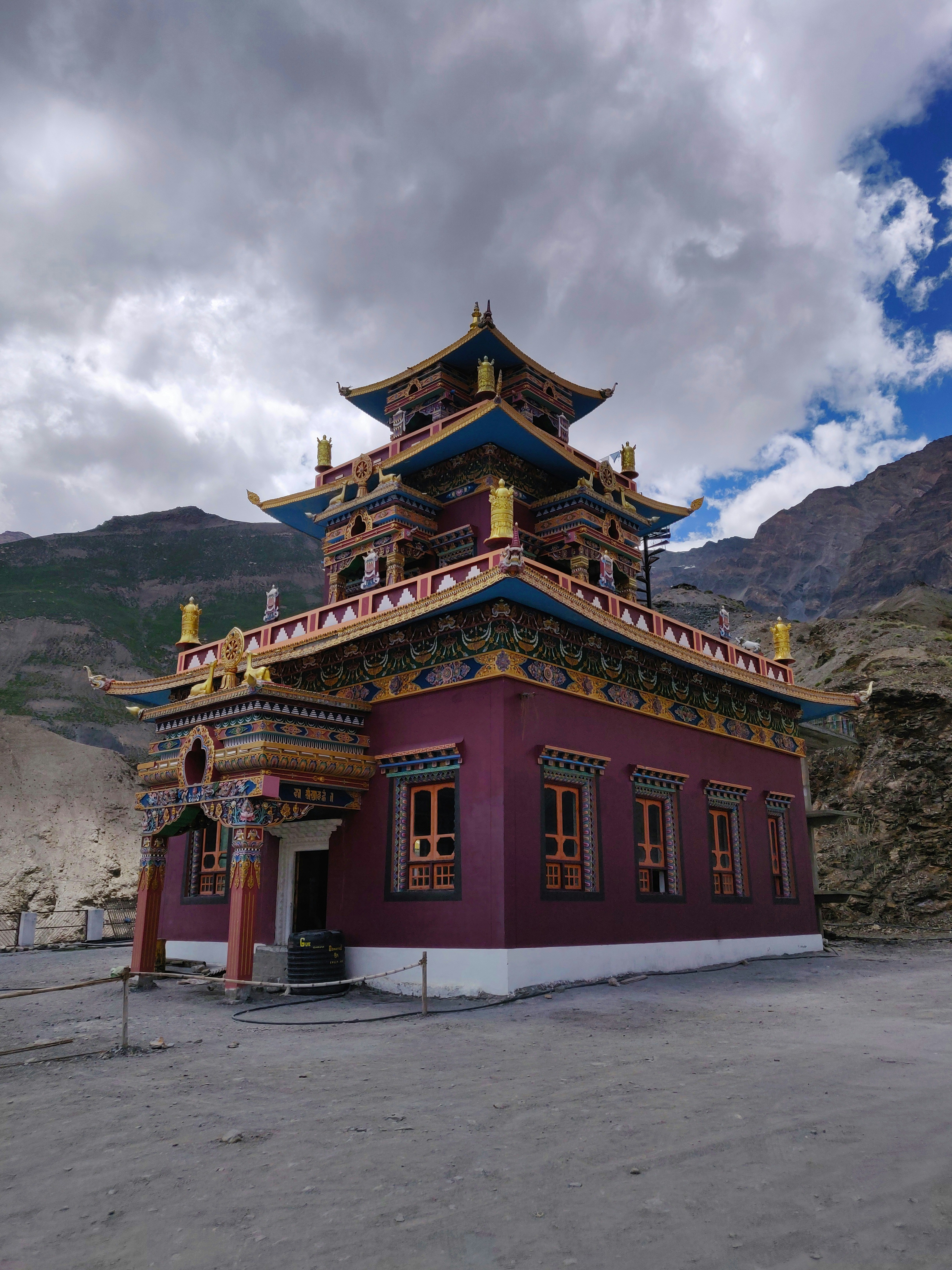
- Discover the ancient Tabo Monastery.
- Witness the remarkable 500-year-old Gue Mummy.
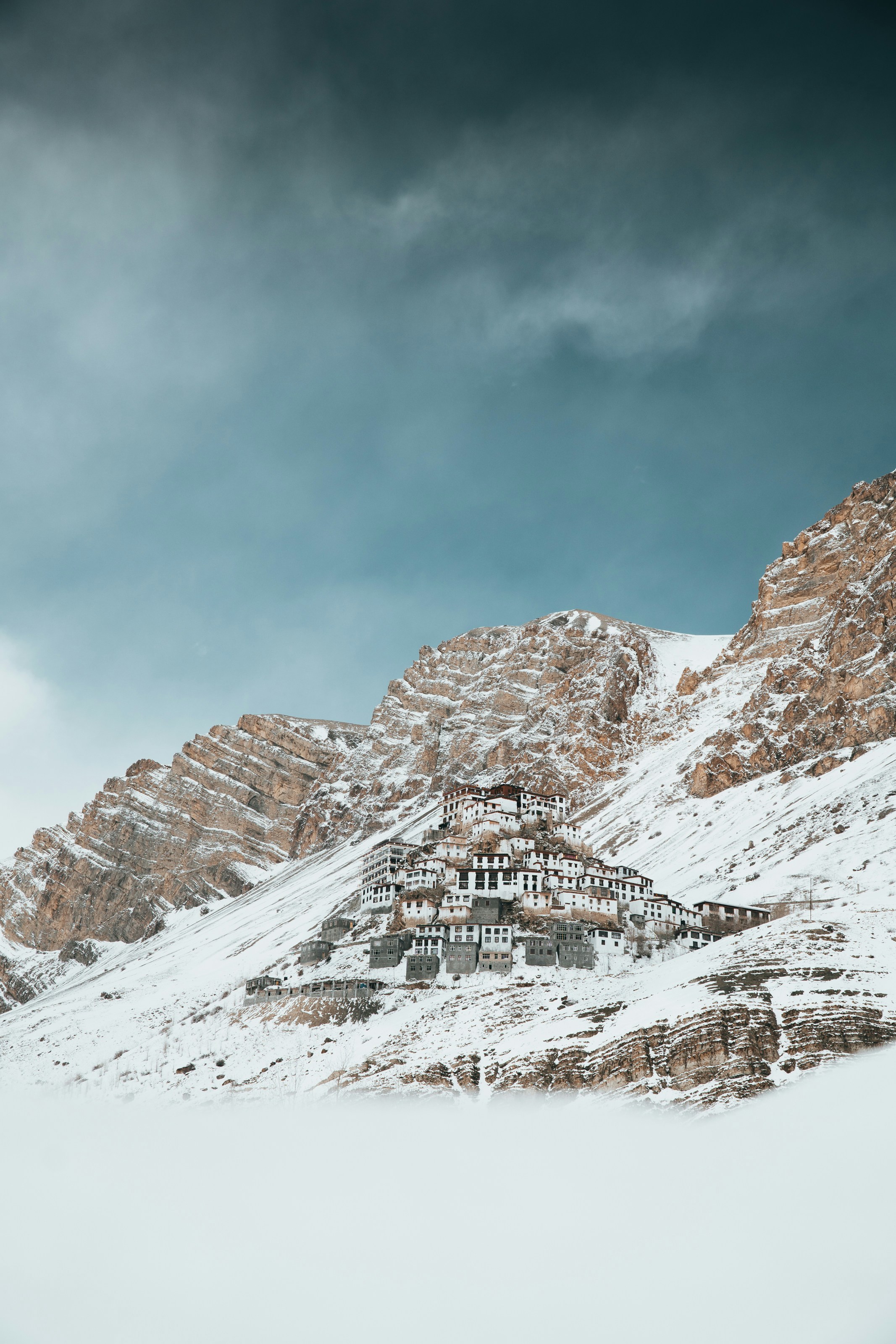
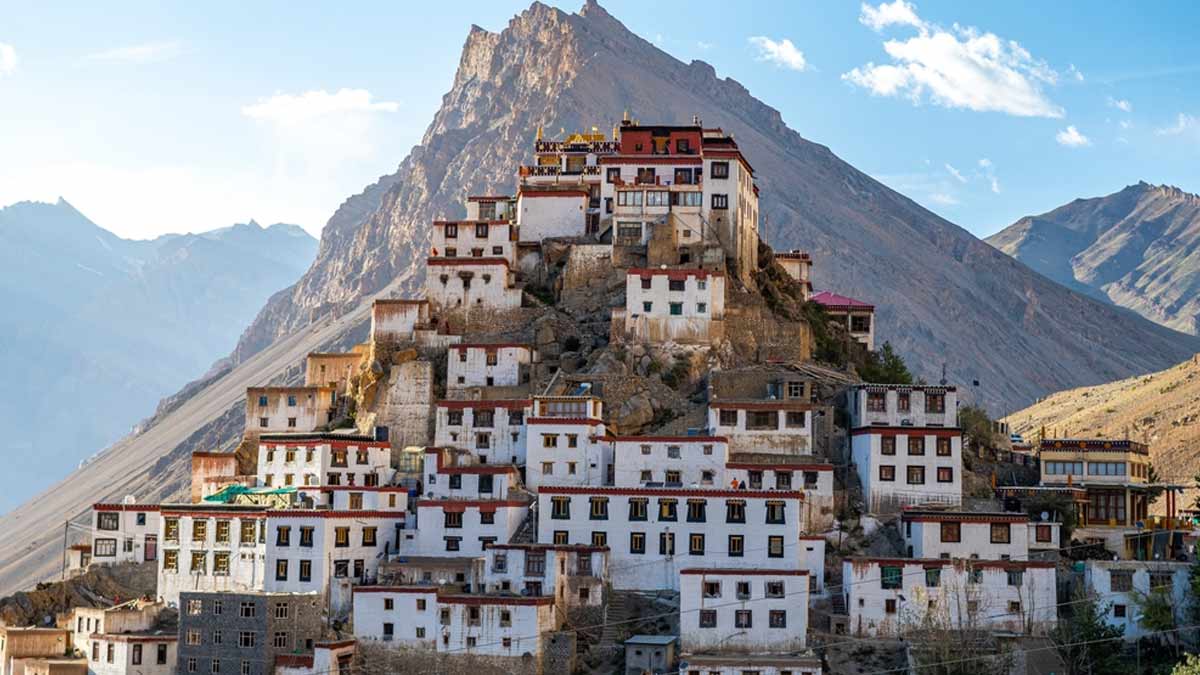
- Explore the iconic Key Monastery, the largest monastery in Spiti Valley.
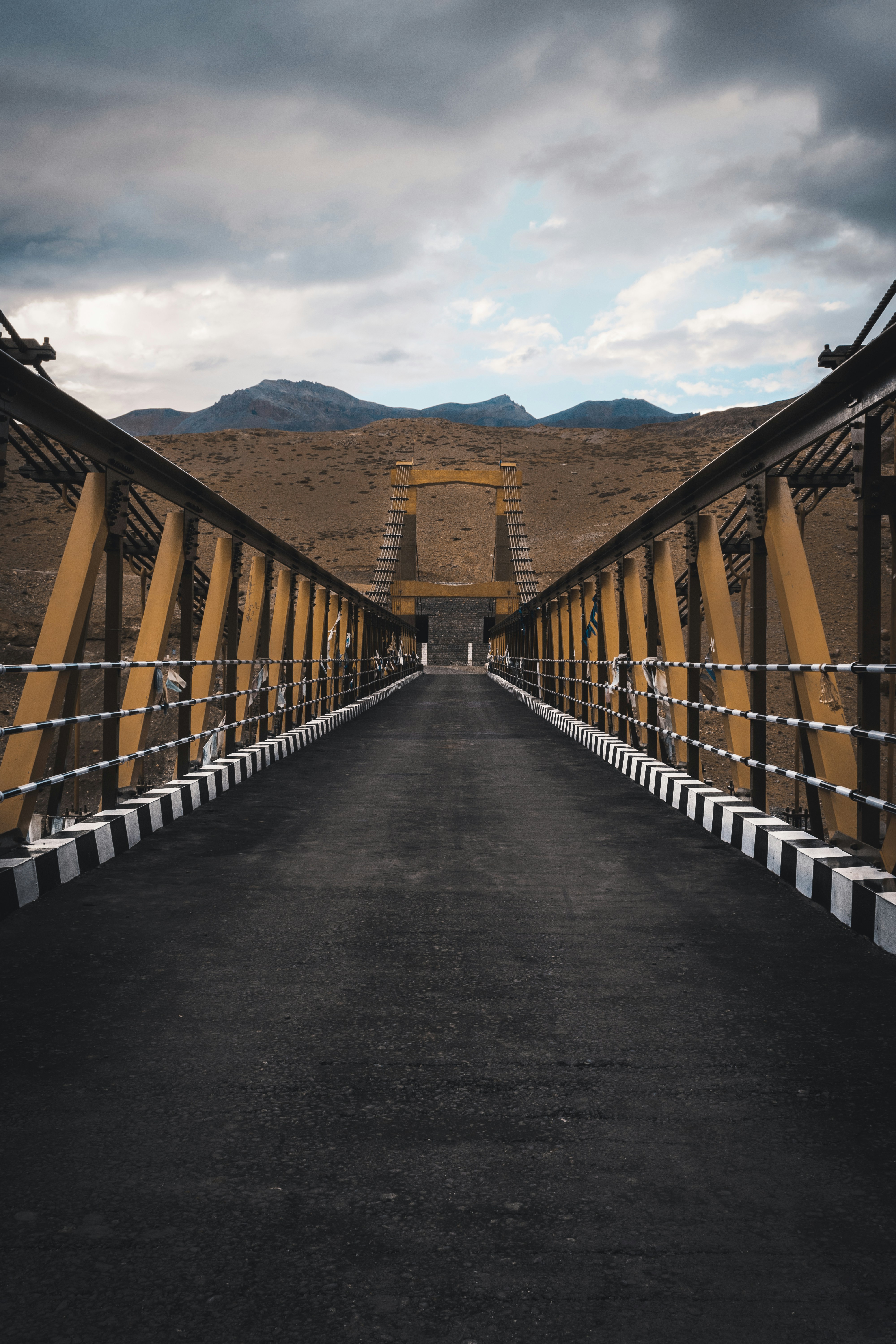
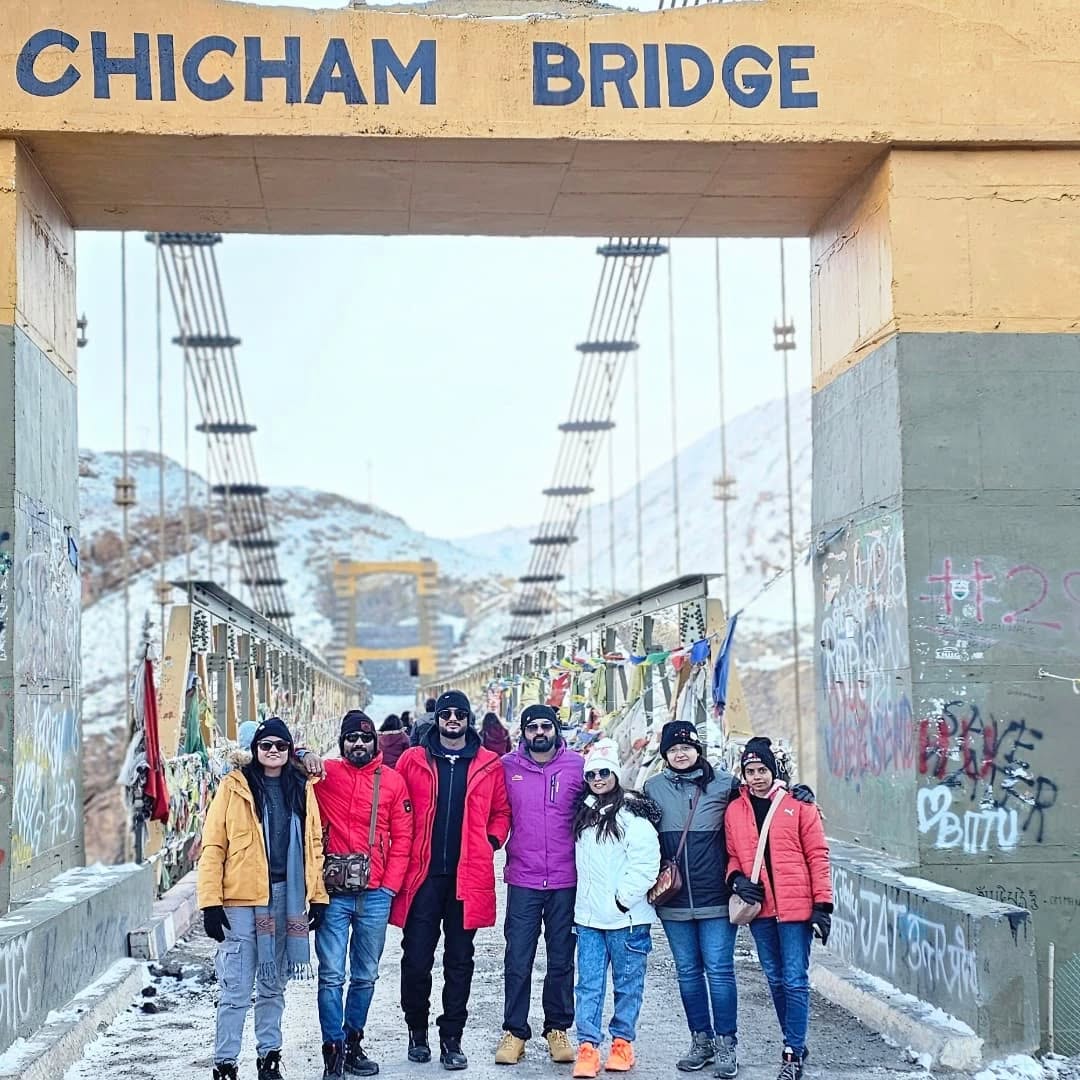
- Experience the famous Chicham Bridge
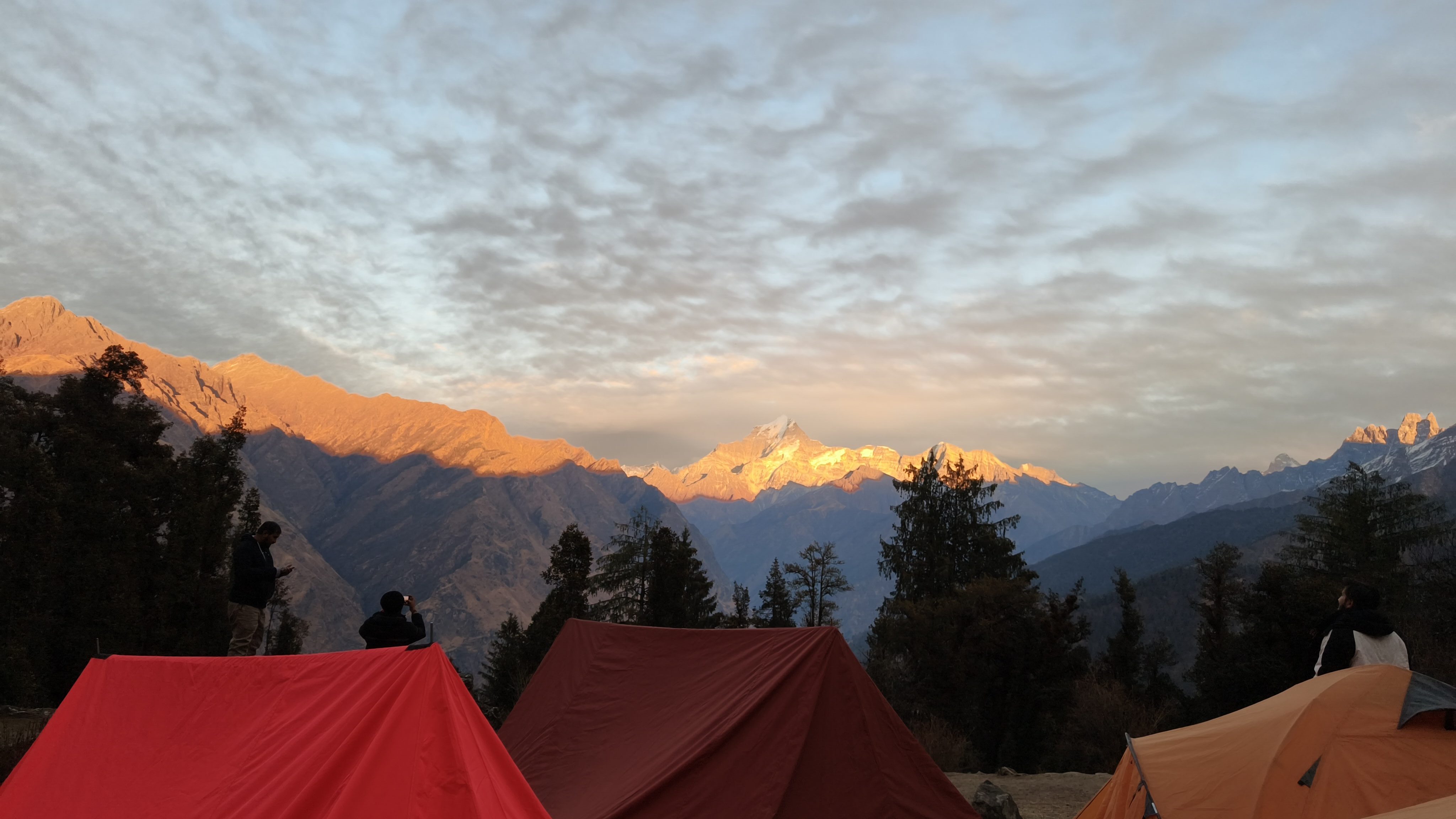
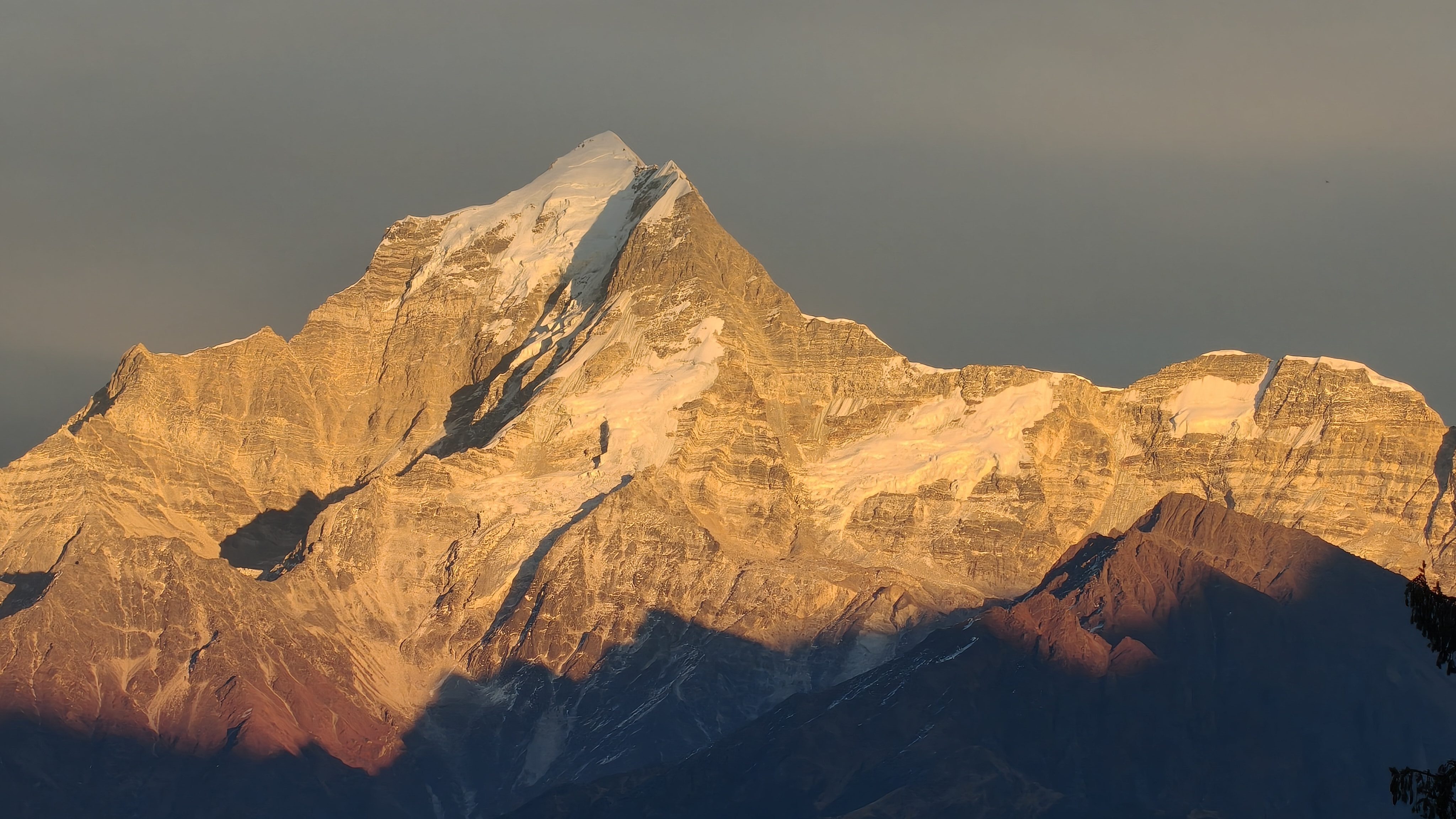
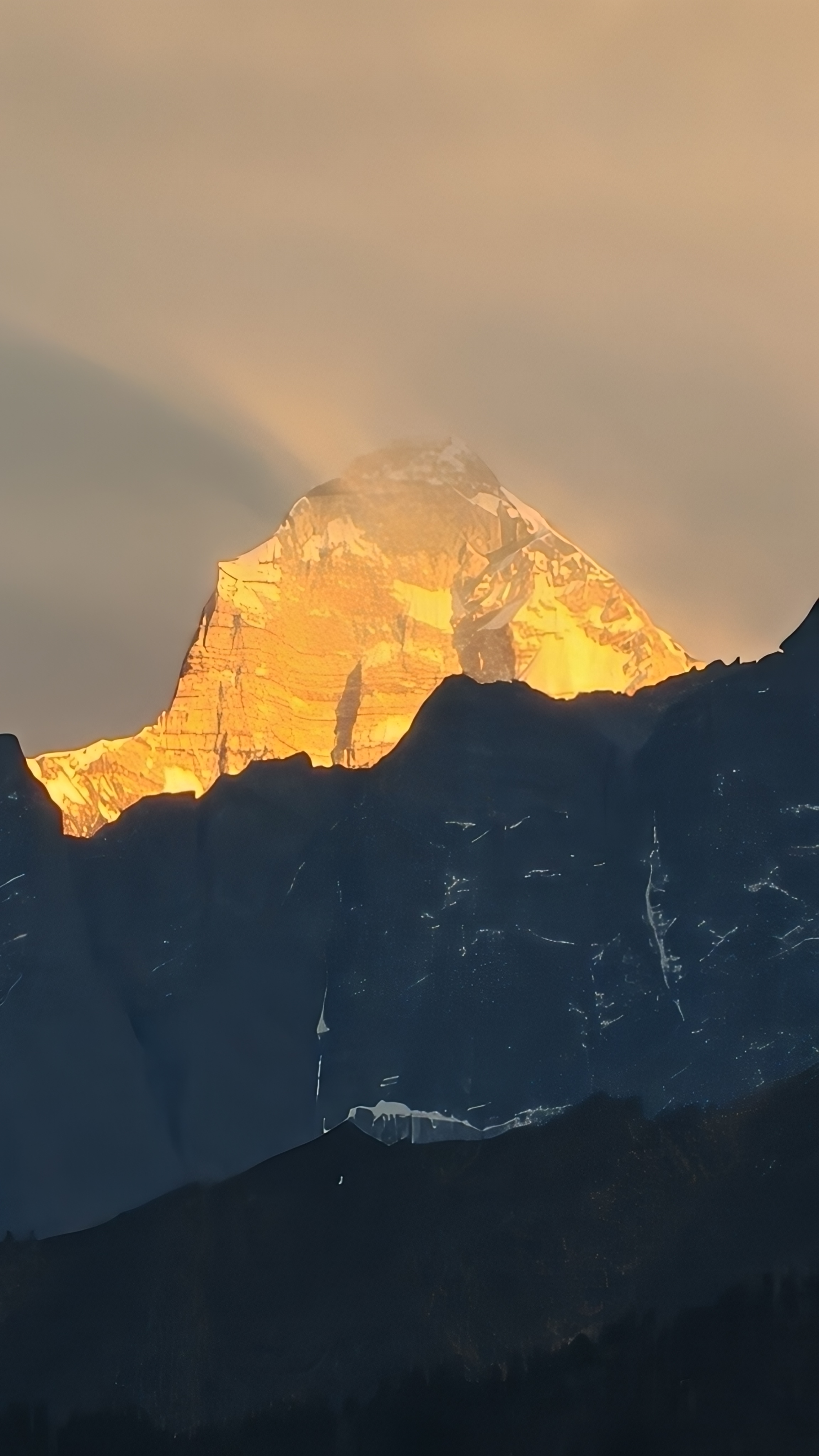
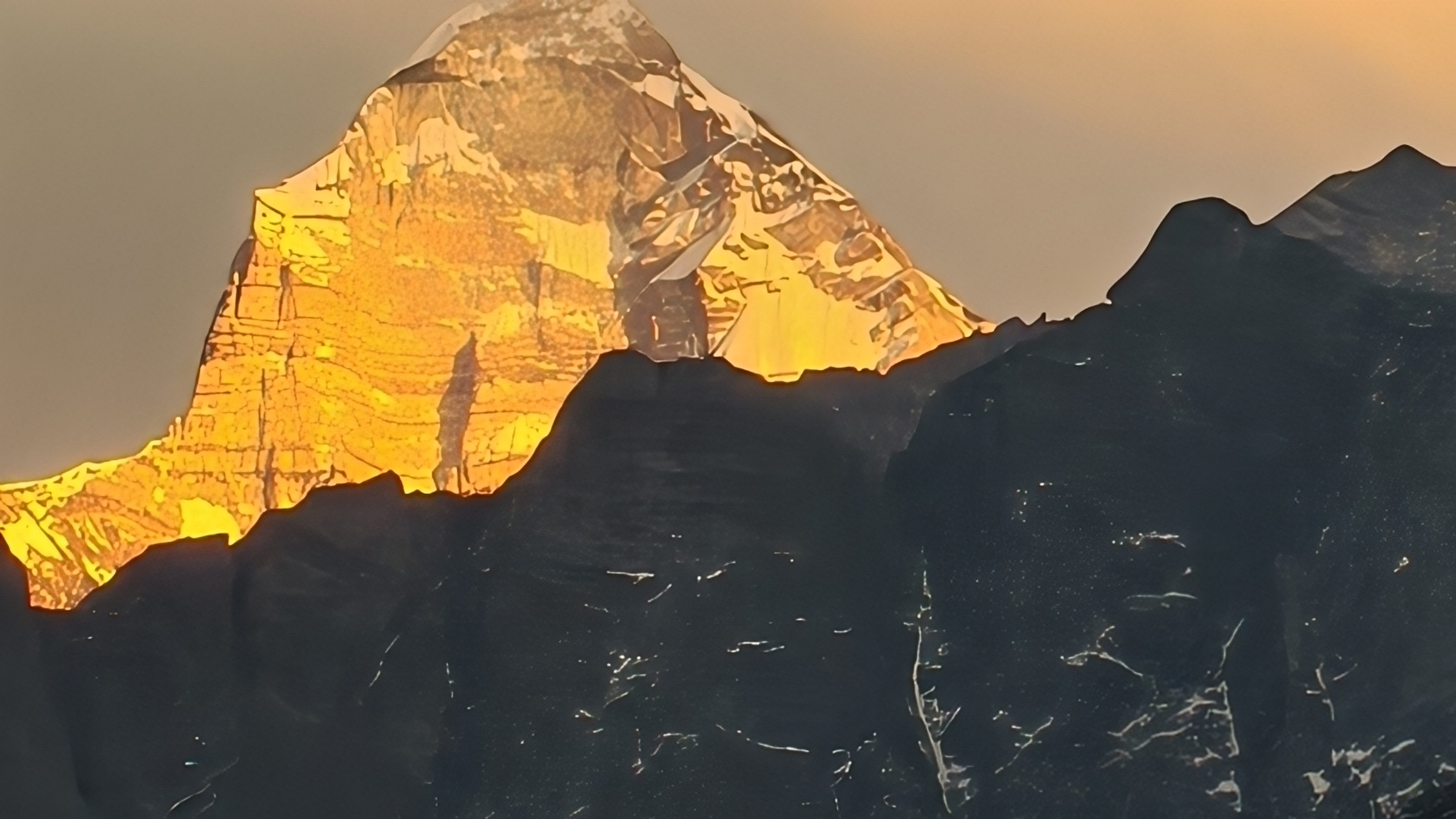
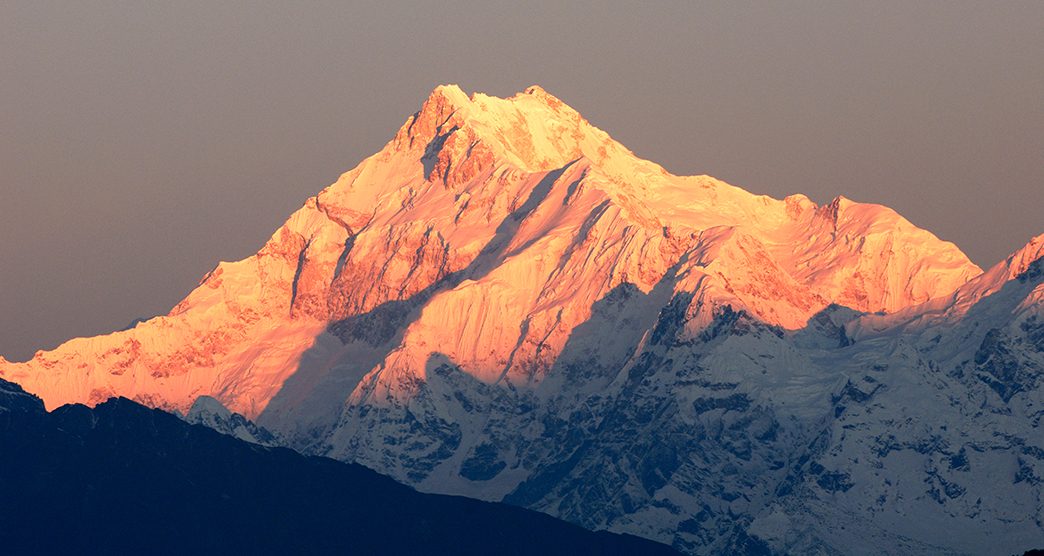
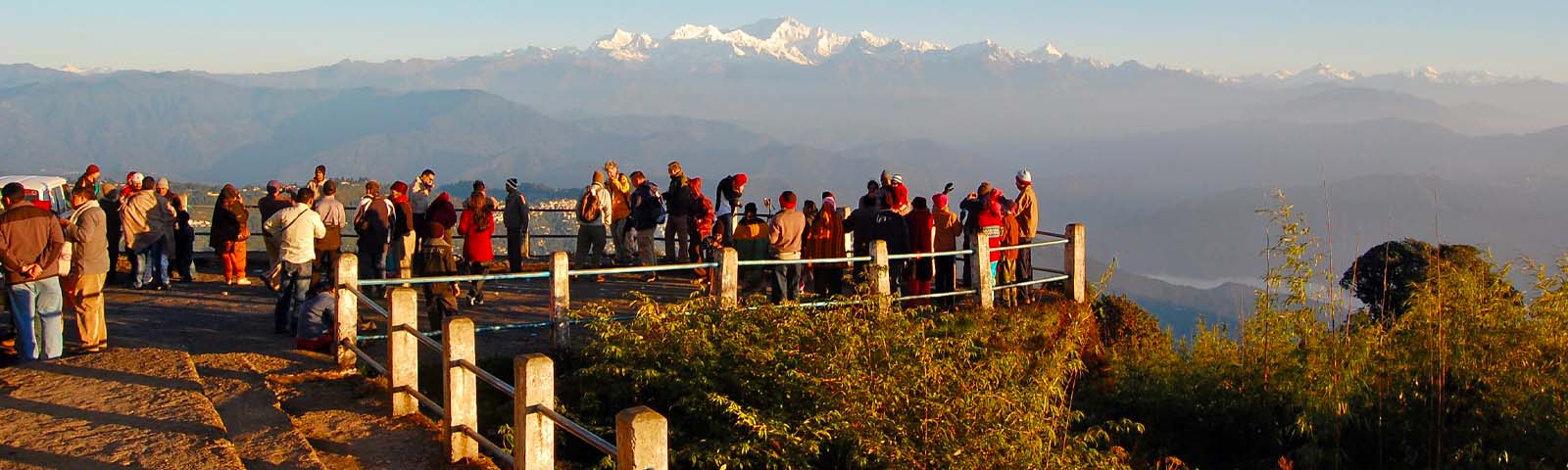
- Mesmerizing views of Kinnaur Kailash from Kalpa
- Visit the world's highest post office at Hikkim.
- Experience life in one of the world's highest inhabited villages.
Tour Plan
A detailed day by day schedule outlining planned activities, sightseeing spots, travel routes, accommodation, meals, and guided experiences during your tour.
Our Winter Spiti Expedition will start from Delhi in the evening. Shimla is approximately 350 km away from Delhi, and the journey will take around 9 to 10 hours.
A Private Vehicle/Bus will ensure a comfortable overnight journey.
That concludes the first day of the Winter Spiti Expedition.
Overnight journey: Delhi to Shimla
Reach Shimla in the morning and check in to the hotel.
After breakfast, we will proceed for a half-day excursion to Kufri (2,500 m). We will also visit Indira Tourist Park.
By afternoon, guests will be dropped at Mall Road for self-exploration, shopping, and leisure activities.
Overnight stay: Shimla
Today, drive to the last village of India, Chitkul, where the Indian road ends. Chitkul is situated at a height of 3,450 m. It is the last Indian village on the India–China border and offers the experience of another beautiful valley.
Overnight stay: Chitkul / Sangla
oday morning, we will explore the route from Chitkul to Tabo. The destination is around 210 km from Chitkul/Sangla and would take almost 7 hours.
En route, we will cross through Sumdo Border and the famous Ka Loops. Tabo is renowned for its ancient monastery, which has been awarded World Heritage Site status by UNESCO.
Dinner and overnight stay: Tabo
Today, we will drive to Kaza and reach by the afternoon. One of the major attractions here is its ancient monastery, an important highlight of this Winter Spiti Expedition.
Visit:
- Hikkim – Home to the world's highest post office.
- Komic – The highest village connected by a motorable road.
Overnight stay: Kaza
Today will be an important day in this Winter Spiti Expedition as we explore the magnificent beauty of Kaza.
Visit:
- Key Monastery, situated at a height of 4,166 m, one of the most scenic monasteries in Spiti Valley.
- Chicham Bridge, the highest suspension bridge in Asia.
The bridge stands at a staggering height of 13,596 ft and connects the villages of Chicham and Kibber. Looking down from the bridge, you will see a breathtaking 1,000 ft deep gorge below.
Overnight stay: Kaza
After breakfast, we shall leave for Kalpa and, upon arrival, check in at the hotel.
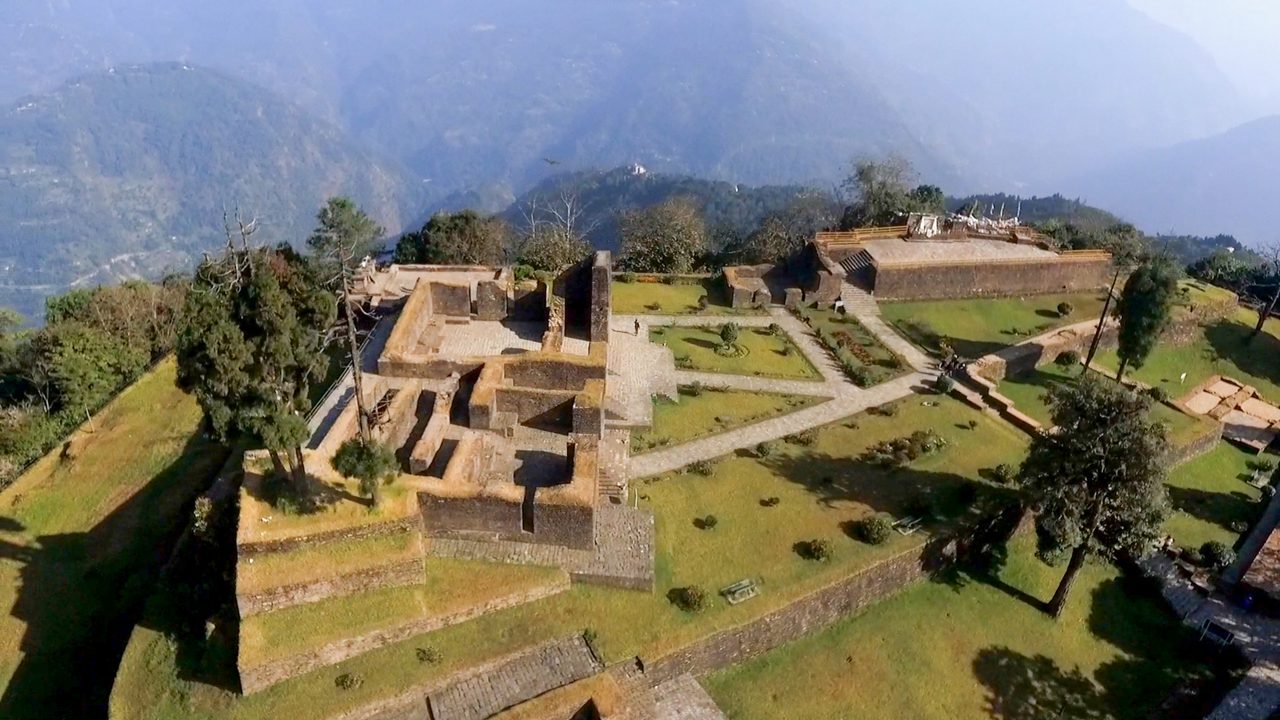
En route, visit Dhankar Monastery, situated at a height of 3,894 m.
Reach Kalpa by evening.
Overnight stay: Kalpa
In the morning, we will depart for Shimla and reach by evening.
By evening, board the vehicle for the overnight journey to Delhi.
Overnight journey: Bus / Tempo Traveller
The next morning, we will reach Delhi.
This is where the most amazing Winter Spiti Expedition comes to an end.
Included/Exclude
Guest Reviews
Frequently Asked Questions
The package covers accommodation in selected hotels or homestays, daily breakfast and dinner during the trip (excluding travel days), all transportation and sightseeing as mentioned in the itinerary, and round-trip from Delhi.
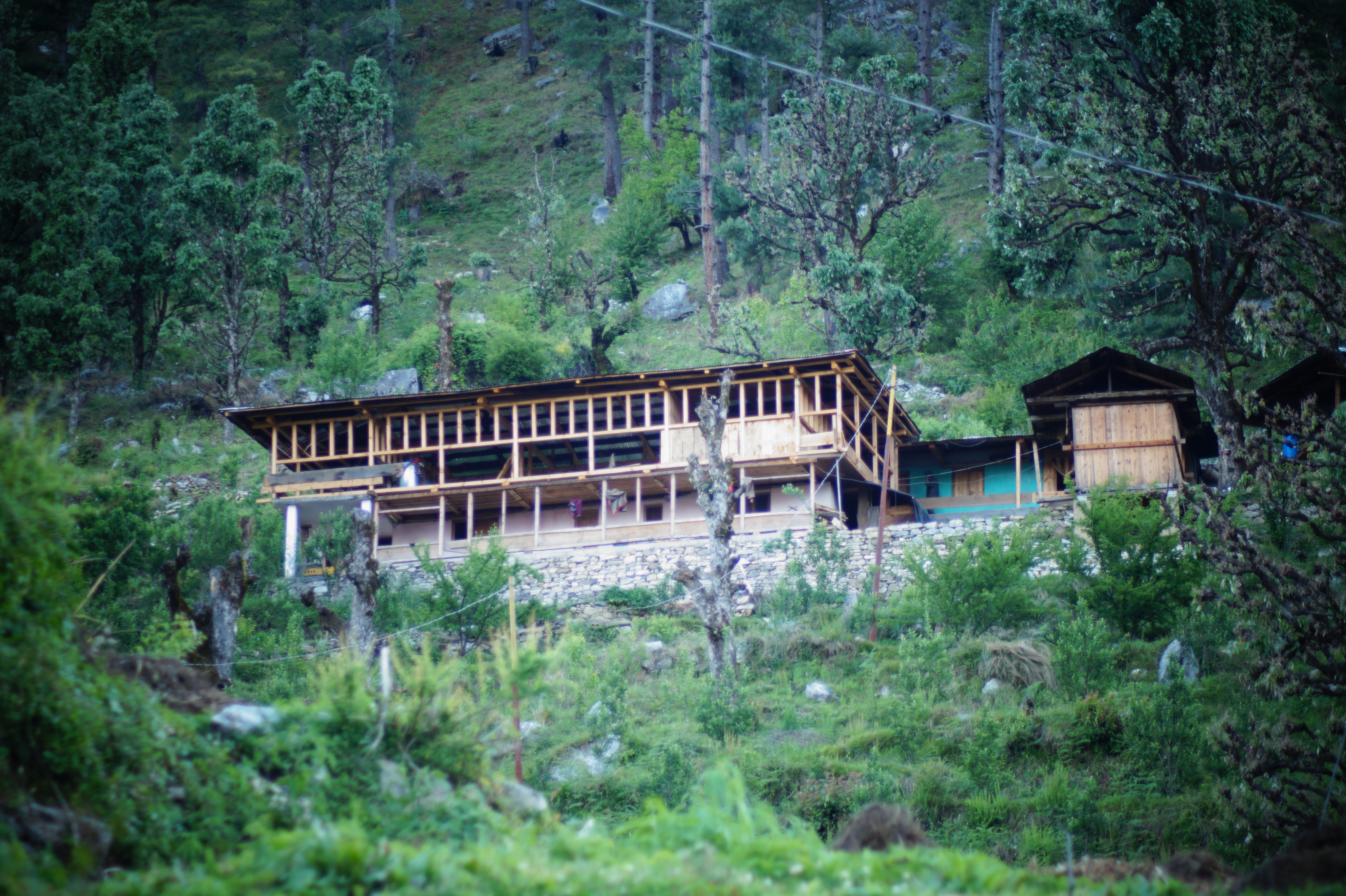
Guests will stay in comfortable standard hotels and homestays, offering a cozy and authentic experience of Spiti Valley.
Yes. The itinerary is carefully designed for first-time Himalayan travelers, with proper acclimatization and a well-paced schedule to ensure a safe and enjoyable journey.
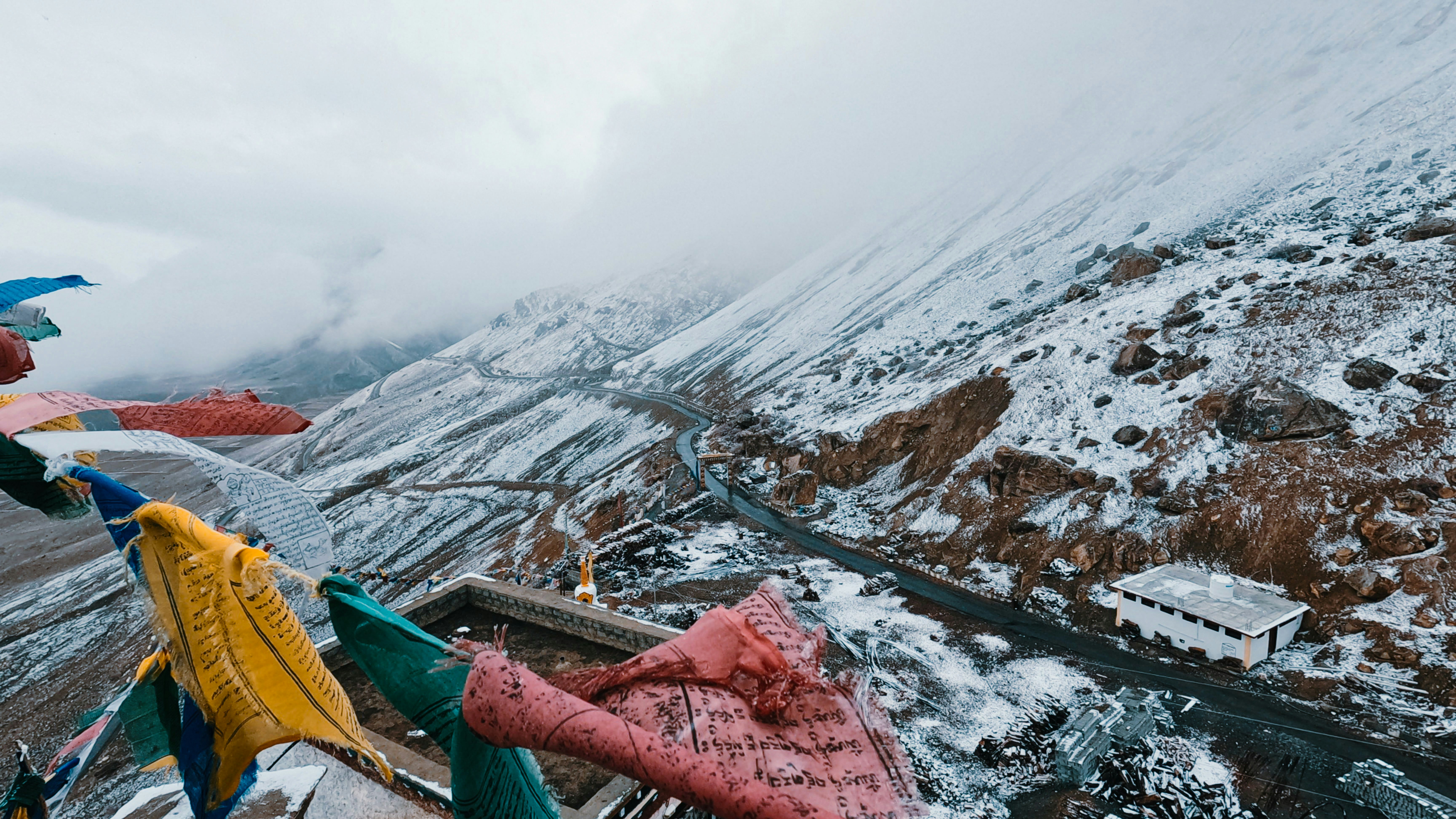
Winter temperatures in Spiti generally range between -5°C and -15°C. During peak winter, temperatures can occasionally fall below -30°C.
Are permits required to visit Spiti Valley?
No permit is required for Indian nationals traveling to Spiti Valley.
Yes, breakfast and dinner are included throughout the tour, except on transit days while traveling to and from Spiti.






Leave feedback about this